Unlocking the Secrets of Keyword Research: A Beginner's Guide
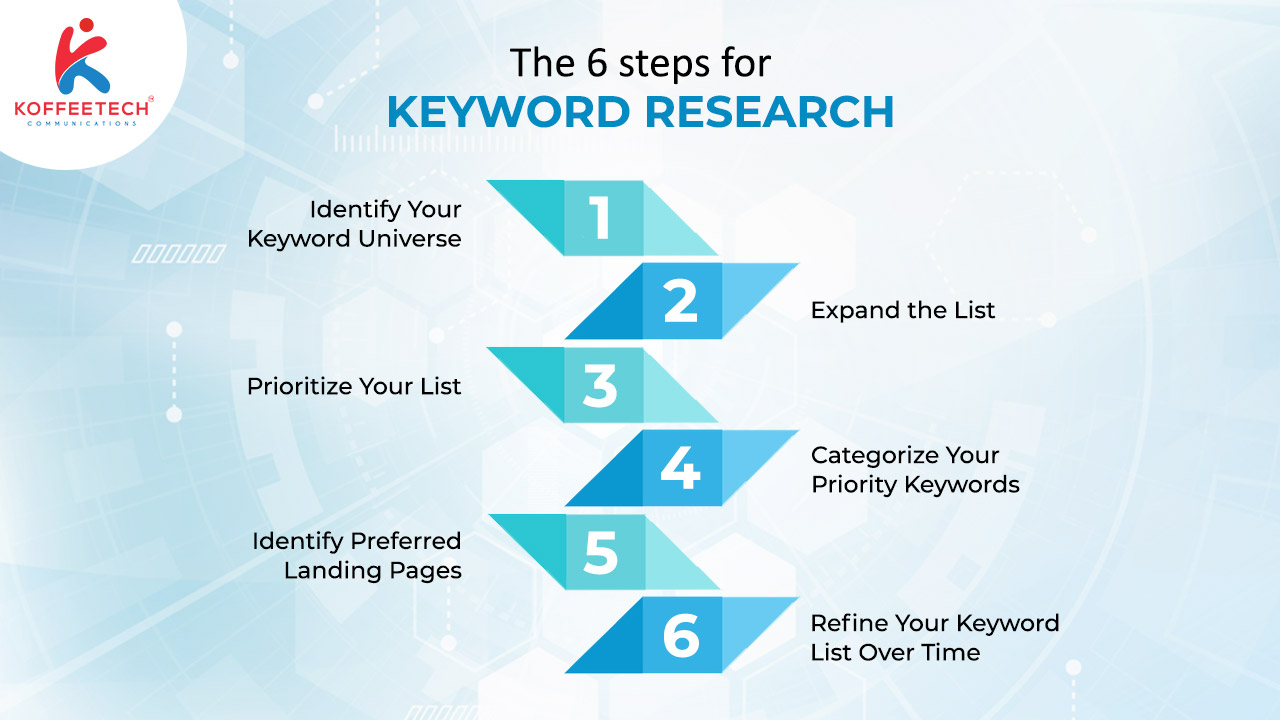
Keyword research is the cornerstone of effective SEO strategy and serves as the foundation for creating content that resonates with your target audience. By identifying the specific terms and phrases that people are searching for, you can tailor your content to meet their needs and improve your website's visibility in search engine results. To get started, consider using tools like Keyword Tool or Moz Keyword Explorer, which can help you uncover valuable keywords related to your niche.
Once you've gathered a list of potential keywords, it's essential to analyze their search volume and competition. High search volume keywords indicate a strong interest in that topic, while low competition keywords can offer a better opportunity for ranking on search engines. You can categorize your keywords into different groups, including short-tail (one to two words) and long-tail keywords (three or more words), as both play a role in driving targeted traffic to your website. For more in-depth guidance, check out this comprehensive guide on Ahrefs Keyword Research.
Top 10 Tools for Effective Keyword Optimization
Effective keyword optimization is crucial for improving your website's visibility and driving targeted traffic. Here are the top 10 tools that can help you streamline your keyword research process:
- Ahrefs - A comprehensive SEO tool that provides an extensive keyword database and insights into keyword difficulty.
- Moz Keyword Explorer - This tool offers unique suggestions along with metrics that gauge the potential of each keyword.
- Ubersuggest - A free tool for discovering keyword ideas and related keywords.
- SEMrush - An all-in-one tool that helps you track keyword rankings and optimize your content effectively.
- Google Trends - Enables you to explore trending topics and gauge the popularity of specific keywords over time.
- Keyword Tool - An excellent choice for uncovering long-tail keywords using Google Autocomplete.
- ClearVoice - This platform assists with finding relevant keywords to enhance your content creation.
- KWFinder - A user-friendly tool that helps in finding low-competition keywords for your niche.
- Bing Keyword Research Tool - A valuable resource for discovering keywords specifically tailored for Bing's search engine.
- Wordtracker - Offers great insights into keyword performance and competitor analysis.
Utilizing these tools will not only help you in identifying the right keywords but will also refine your SEO strategy. Remember, the key to successful keyword optimization lies in understanding your audience's search intent and continuously adapting to the trends. As you explore these resources, keep an eye on metrics like search volume and competition level to make informed decisions about which keywords to target.
How to Target the Right Audience: The Power of Keywords in Content Strategy
Identifying and targeting the right audience is crucial for a successful content strategy. One of the most effective ways to achieve this is through the use of keywords. Keywords serve as the bridge between what your audience is searching for and the content you create. By conducting thorough keyword research, you can discover the terms and phrases that resonate with your target demographic. Tools like Moz Keyword Explorer and Ahrefs can help you identify high-volume keywords that align with your blog’s niche. Once you have pinpointed relevant keywords, strategically incorporate them into your content to increase visibility and engagement.
Moreover, understanding user intent behind these keywords is essential for optimizing your content effectively. Different types of search queries—such as informational, navigational, and transactional—require different approaches and formats. For instance, if your audience is looking for tutorials, creating detailed guides or how-to articles that include your chosen keywords can significantly enhance user satisfaction. To learn more about user intent, consider reading this insightful article on Search Engine Journal. By aligning your keywords with the intent of your audience, you improve not only your SEO performance but also the likelihood of converting readers into loyal followers.